Rank Higher. Invent Smarter Growth.
Half your future customers are typing cracks in my wall. The other half already know they need helical piers. Those are two different websites, and most foundation companies have built neither.
Send us your site and the counties you cover. We will show you which symptom searches you are missing and where your inspection bookings are leaking.
A typical foundation job runs from a few thousand dollars to thirty, often with an engineer involved and frequently triggered by a pending house sale. Nobody buys that on impulse, and nobody buys it from the first result they click. They read for weeks first.
That changes what the website is for. It is not a lead form with a phone number on it. It is the thing that has to still be the most credible source in the market by the time they are ready to book an inspection, which is usually the third or fourth time they visit it.
So the work is broader than rankings. It is technical SEO plus the content that answers a frightened homeowner honestly, plus the answer engine optimisation that puts you in the snippet when they ask what a stair step crack means.

Treating these as one funnel is the single most expensive mistake in this niche. They need different pages, arrive at different stages, and close at completely different rates.
Types cracks in my wall, doors sticking, uneven floors. Does not know the word foundation applies to them yet. Cheap to reach, and a long way from buying.
Types helical piers, push piers, slab jacking, pier and beam repair. Already diagnosed, usually by an engineer, inspector or realtor. Expensive to win and close to buying.
Types foundation repair cost. Enormous volume, and almost every contractor refuses to answer, so they read a national comparison site instead and you never appear at all.
Never searches for you at all. In this trade a meaningful share of revenue arrives through structural engineers and general contractors, which is why the site has to convince a professional as well as a homeowner.
Demand also moves with the weather in a way most trades do not share. In expansive clay markets like north Texas, Oklahoma and the Colorado Front Range, a dry spell shrinks the soil and doors start sticking weeks later. Contractors in those markets report call volume climbing during drought. That is a content trigger you can plan for.
No surprise add-ons halfway through.
Every symptom a homeowner might describe, mapped to the repair method it usually indicates, and a page for each. This is how you reach people months before a competitor who only targets the money keyword.
Push piers, helical piers, slab jacking, drainage correction and pier and beam work, each explained properly enough that an engineer reading it would not wince.
Warranty terms including transferability, engineer reports, and an honest word on licensing. In Texas foundation repair contractors are not licensed at all, and saying so plainly separates you from everyone hinting otherwise.
The conversion on this site is an appointment in a calendar. We build the path to that, and we separate a genuine free inspection with a written report from a free estimate, because buyers can tell the difference.
City and county pages that reference the actual ground conditions in that area rather than a swapped place name. In clay markets this is the difference between a page that reads local and one that reads generated.
Because the funnel is long, we report on inspections booked and where they came from, not on traffic that will not convert for another two months.
We split your keyword set into symptom, solution and cost, and find which of the three you are currently invisible for. It is usually the first one.
Symptom pages, method pages and a real cost page, written to be the most useful thing a worried homeowner finds that week.
Warranty, transferability, engineer involvement and process, stated in plain language on the page rather than buried in a PDF.
Monthly reporting on booked inspections and their source, tracked across a sales cycle that is genuinely months long.
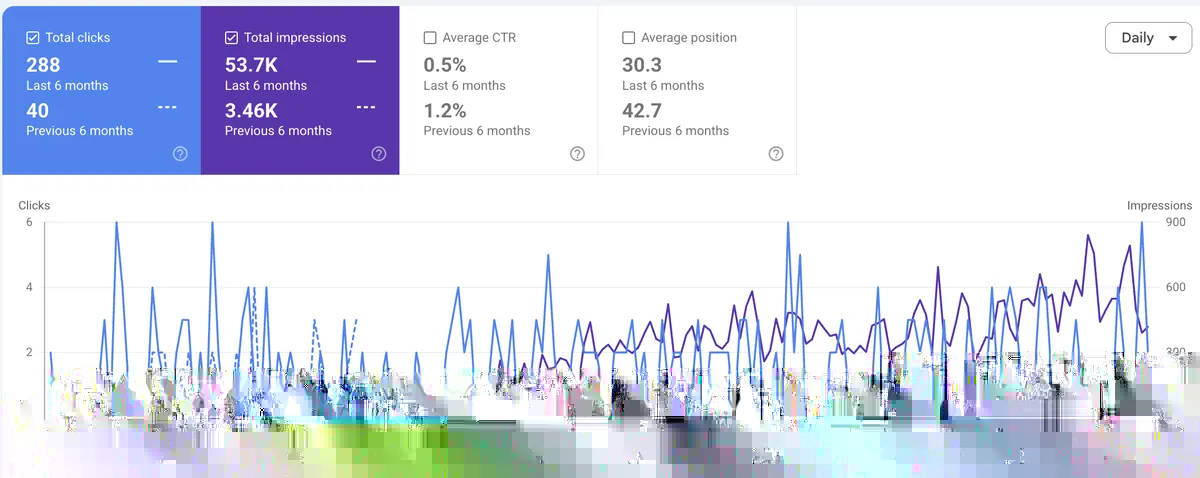
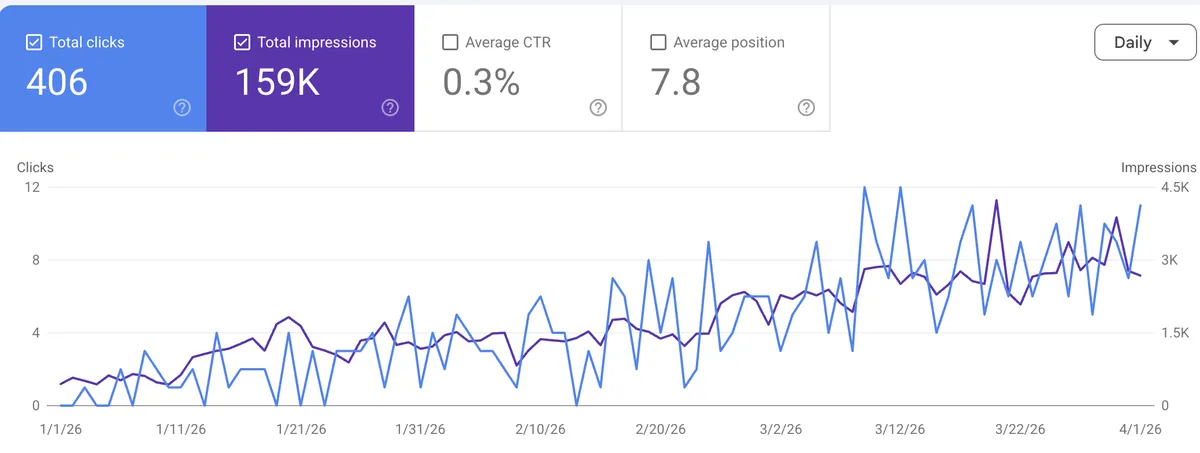
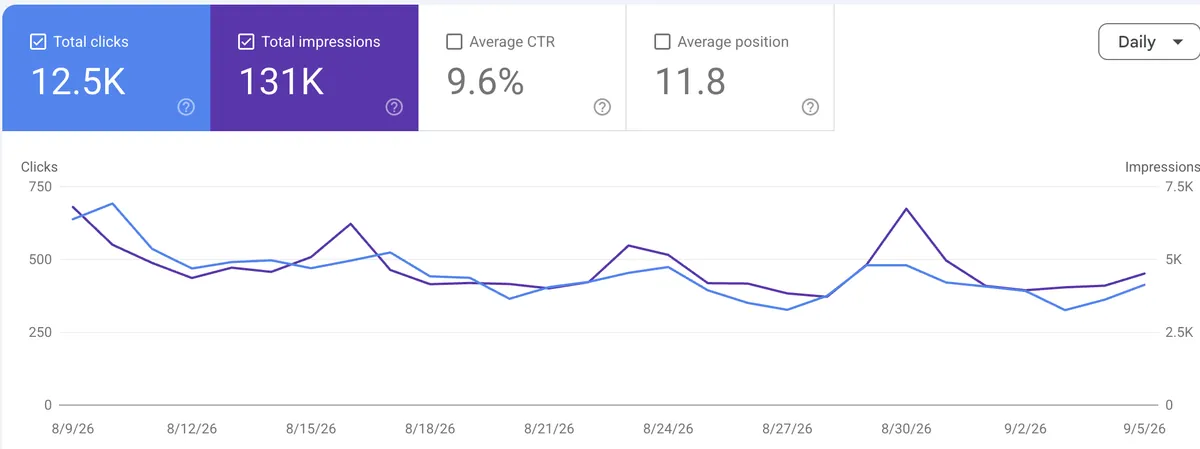
Not foundation accounts, and we are not going to pretend otherwise. These are local trade businesses with long consideration cycles and high ticket work. Search Console exports with the date range on each.
Want to know which symptom searches you are currently invisible for?
Get a Free SEO AuditRanges, yes. Every homeowner searches what it costs, and if you do not answer they read a national comparison site and form an expectation without you in the room. A range with the variables explained protects you far better than silence does.
That is exactly why it is worth it. Symptom searches are cheaper to win and they put you in front of someone before they have a shortlist. By the time they search helical piers, three competitors are bidding on it. By the time they search why my door sticks, usually nobody is.
Usually not. Standard policies exclude earth movement and gradual settling, which is what most foundation damage is. It is worth saying so on your site, because homeowners arrive assuming otherwise and the contractor who explains it first earns the trust.
Not directly, but it matters enormously to conversion, and conversion signals feed back into how a page performs. A lifetime warranty that transfers to the next owner is the strongest single line on most foundation repair sites, and plenty of companies have one and never mention it.
Yes, and for a reason people miss. The homeowner an engineer referred still looks you up before calling. A thin website undermines a referral you already earned, so the site is doing defensive work as well as acquisition.
Send us your site and the counties you cover. We will come back with what is holding you back and what to fix first.
“He took a brand new website to the top of Google in five months. He provides updates along the way with suggestions as well. We will be using him on other client sites in the future.”Upwork client · Google SEO for a local business